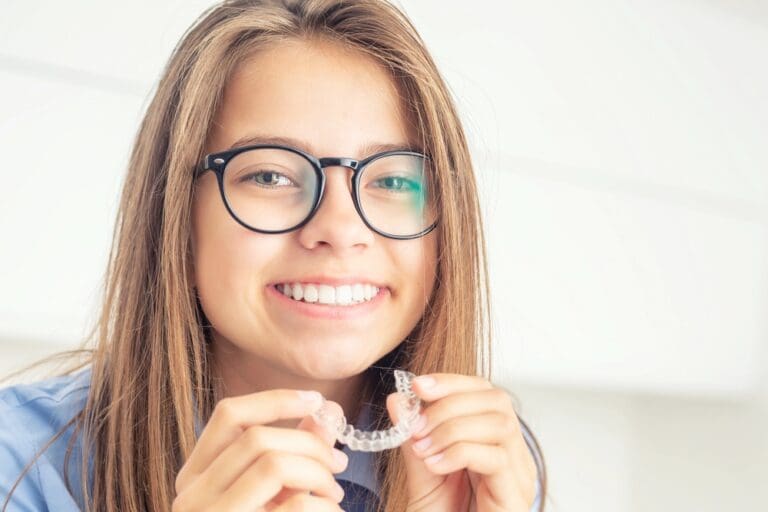
Smiling young person with long hair and glasses holds a clear aligner at Stellar Orthodontics in San Marcos, CA, indoors - Can Invisalign Fix Overbite in San Marcos, CA.

Can Invisalign Fix Overbite in San Marcos, CA

By Stellar Orthodontics

updated on October 13, 2025

If you want to know, “Can Invisalign fix overbite in San Marcos, CA?”. Book a consultation at Stellar Orthodontics. At your first appointment, you get a full assessment. The orthodontist checks your teeth, bite, and jaw alignment. You leave with a clear treatment plan that fits your goals and your treatment timeline.

In some cases, your orthodontic team may suggest extra appliances. These may include elastics (rubber bands), headgear, or bite turbos. These tools help guide the bite and support overbite correction.
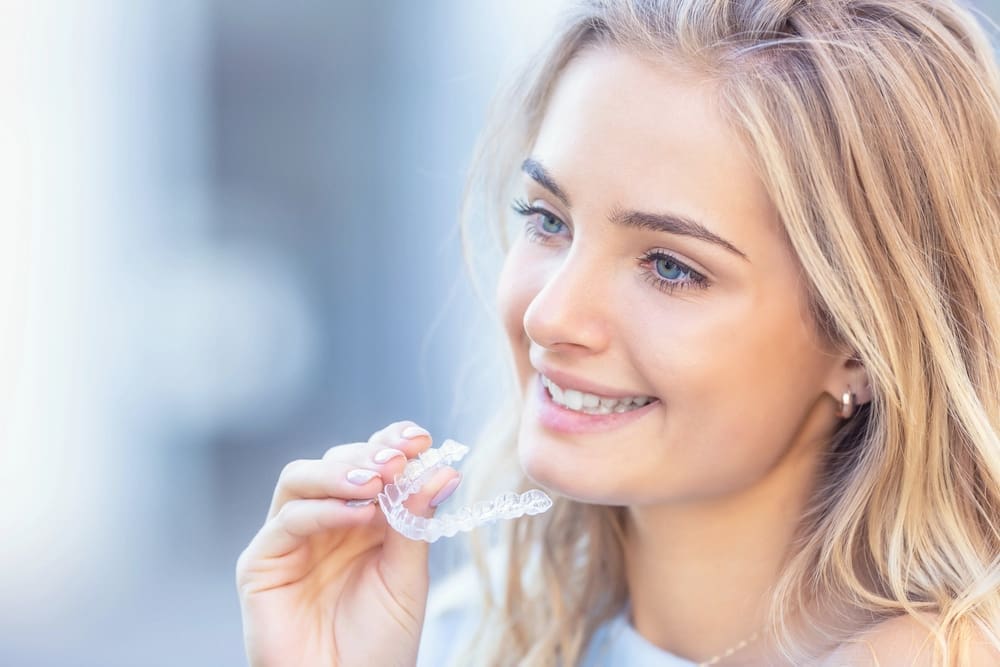
Smiling, a person with long blonde hair holds a clear aligner by their mouth at Stellar Orthodontics in San Marcos, CA - Can Invisalign Fix Overbite in San Marcos, CA.

Understanding Overbite and How Invisalign Solves It

What Is an Overbite?

An overbite happens when the top teeth cover the bottom teeth too much. A small overlap is normal. Too much overlap can lead to bite issues and tooth alignment issues. It can cause tooth wear, tooth sensitivity, and jaw pain. It may also affect bite function and speech.

Why Fix an Overbite?

  • Health: A deep bite can raise the risk of tooth decay and gum problems.
  • Function: A Better bite position can improve chewing and speech.
  • Comfort: Care can lower stress on the jaw muscles and joints.
  • Aesthetics: A balanced bite can lift your smile and facial profile.
  • Confidence: A healthy smile can boost self-confidence in daily life.
  • Prevention: Early care can stop small problems from growing worse.

Common Causes of Overbite

  • Genetics: Tooth size and jaw size can run in families.
  • Habits: Thumb sucking, pacifiers, or nail biting can shift teeth.
  • Growth: Uneven jaw growth can lead to misalignment.
  • Space: Crowding and gaps can throw off teeth straightening and bite.
  • Airway: Mouth breathing in kids can affect jaw health and bite position.

How Invisalign Addresses Overbite

Invisalign works its magic by gently shifting your teeth into their ideal positions over time. For overbites, Invisalign uses a clever combination of aligners and small attachments called ‘buttons’ to guide your upper teeth backwards and your lower teeth forwards. It’s like giving your teeth a gentle nudge in the right direction!

You can remove your aligners for eating and brushing, making the whole process super convenient. Plus, they’re nearly invisible, so you can keep smiling confidently throughout your treatment. With Invisalign, saying goodbye to your overbite has never been easier or more comfortable!

Your Consultation and Assessment

Your treatment journey starts with a friendly visit. The team listens to your smile goals and treatment preferences. They study how your teeth fit when you close. They check wear on teeth and signs of malocclusion. This careful assessment guides an accurate diagnosis and plan. Dr. Latoya Callahan, an experienced orthodontist in Burtonsville, MD, suggests discussing your wear‑time routine, any jaw clicking, and headache patterns during this visit.

Imaging Technologies and Bite Analysis Tools

Stellar Orthodontics uses modern imaging technologies. These may include digital X-rays, photos, and a 3D scanner. These tools give a precise view of teeth, roots, and bone. According to Dr. Karl Lugus, a local pediatric dentist in Cumming, GA, advanced imaging technologies are especially important in diagnosing bite issues in children, allowing for highly personalized and effective treatments like Invisalign. They help with bite analysis and jaw alignment checks. Treatment planning tools and treatment previews can show likely changes before you start.

Your Custom Treatment Plan

You will get a plan in plain words. It will cover:

  • Your treatment goals and the level of severity
  • The treatment options that fit your case and treatment style
  • The treatment process and each treatment phase
  • An estimated treatment timeline and visit schedule
  • Which appliances may be used and why
  • Retention steps with retainers to prevent relapse
  • Any special treatment requirements you should know

Follow all instructions. Good habits lead to smooth progress and strong results.

Treatment Options for Overbite Correction

Braces

Braces are a proven way to fix an overbite and crowding.

  • How they work: Small brackets go on teeth. Wires connect the brackets and guide tooth movement over time.
  • Aids: Your doctor may add elastics (rubber bands) to guide the bite. Positioners can help fine‑tune the finish.
  • Types: Metal braces are strong and budget‑friendly. Clear brackets blend in more for added aesthetics.
  • Visits: You come in for regular adjustment appointments for progress monitoring.
  • Care: Brush and floss with care around brackets and wires. Strong oral hygiene helps protect gums and enamel during treatment.

Invisalign Aligners

Invisalign uses clear, removable aligner trays to move teeth in small steps.

  • Look: Aligners are hard to see on teeth for day‑to‑day convenience.
  • Wear time: For best effectiveness, wear aligners 20–22 hours per day. Take them out to eat and brush.
  • Comfort: Smooth edges support comfort and gum health.
  • Monitoring: You switch to a new set on schedule. The team checks fit and progress at each visit.
  • Best for: Many mild to moderate cases of misalignment and deep bite.

Orthodontic Appliances

Some cases need extra tools to guide jaw position or make space.

  • Expander: Widens the upper jaw to ease crowding and improve bite.
  • Bite ramps or turbos: Help open a deep bite and protect front teeth.
  • Headgear: In growing patients, this can guide jaw growth and bite correction.
  • Other aids: Springs and specialty wires can fine‑tune tooth movement.

Jaw Surgery (for Severe Cases)

If jaw bones are the main cause, surgery may be the best path. This is rare. It repositions one or both jaws to build a stable base for the bite. Surgery is often paired with braces or aligners for full correction.

Phases of the Orthodontic Process

  • Phase 1: Consultation and diagnosis. You get imaging, a scanner preview, and a full exam.
  • Phase 2: Plan review. Your doctor explains your treatment plan, treatment options, and timeline.
  • Phase 3: Active treatment. You start with braces or aligners and get home‑care tips.
  • Phase 4: Progress checks. You return for adjustments, refinements, and progress monitoring.
  • Phase 5: Finishing. Light elastics or positioners may polish the bite.
  • Phase 6: Retention. Retainers hold teeth while the bone sets and the bite stabilizes.

Treatment Duration and Timeline

Most plans take 12 to 24 months. Mild cases may finish sooner. Complex cases may take longer. Your daily habits affect time. Wear aligners as told. Use elastics as directed. Keep all visits. Your orthodontist will track tooth movement and adjust the plan to keep it safe and steady.

Daily Care and Comfort

  • With braces: Brush after meals. Floss daily. A water flosser can help around brackets and wires. Avoid hard or sticky foods that may break parts.
  • With aligners: Rinse and brush trays with cool water. Do not use hot water. Brush and floss after each meal before you put the aligners back in.
  • Soreness: Mild soreness after a new wire, a fresh tray, or an adjustment is normal. A soft diet and saltwater rinses can help.
  • Jaw health: Gentle jaw stretches can relax jaw muscles. Ask the team for safe tips.
  • Call the office if discomfort does not fade in a few days.

Retention: Hold Your Results

When active care ends, retention begins. Retainers keep your teeth in place while the bone sets. There are two main types:

  • Removable retainers: Easy to wear and clean. Often used at night.
  • Fixed retainers: A thin wire bonded behind teeth for a steady hold.

Wear your treatment retainers as instructed. This lowers relapse risk and protects your correction. Strong habits support long‑term stability and function.

Tools That Help You Stay on Track

  • Treatment previews: See likely changes before you start.
  • Bite analysis tools: Understand your bite issues and bite function.
  • Treatment planning tools: Map your treatment phase and treatment timeline.
  • Progress monitoring: Regular checks confirm that your plan stays on target.

These tools make the treatment process clear. They also add convenience and help you reach treatment success.

A smiling woman points to her teeth, holding a clear aligner with one hand for Stellar Orthodontics in San Marcos, CA - Can Invisalign Fix Overbite in San Marcos, CA.

Working With You Throughout the Treatment Journey

Orthodontics is a team effort. You and your orthodontic team share the same treatment goals. You bring steady wear and strong care at home. The team brings expertise, guidance, and quality care. Together, you choose the treatment style that suits your life.

Getting Started at Stellar Orthodontics in San Marcos, CA

Ready to fix an overbite? Your next steps are simple:

  1. Schedule your free consultation and bite analysis.
  2. Get imaging technologies and a 3D scanner review for a full assessment.
  3. Review a custom treatment plan with options like braces, Invisalign aligners, or helpful appliances such as an expander or headgear.
  4. Set your appointment schedule for adjustments and progress checks.
  5. Protect your results with well‑fitted retainers and a clear retention plan.

A clear plan, steady visits, and good home care lead to strong results. Start your treatment journey with Stellar Orthodontics in San Marcos, CA. Align your bite, protect jaw health, and reach your smile goals with care that fits your life.

About the Authors

Dr. Laura Deyo – Orthodontist in San Marcos, CA

Dr. Latoya Callahan – Orthodontist in Burtonsville, MD

Frequently Asked Questions

What is the 30-minute rule for Invisalign?

You can take your aligners out for up to 30 minutes each day without it affecting your treatment. This gives you a bit of flexibility for those special occasions or important meetings where you might want to remove them briefly.

Is Invisalign painful?

It’s generally considered to be pretty comfortable. You might feel a bit of pressure or soreness when you first start wearing a new set of aligners, but it’s usually mild and goes away after a few days. Some people describe it as a slight tightness, which is actually a sign that your teeth are moving in the right direction!

Is Invisalign faster than braces?

It’s not a one-size-fits-all answer, but in many cases, Invisalign can be quicker! On average, Invisalign treatment takes about 12-18 months, while traditional braces often need 18-24 months. But remember, everyone’s smile is unique, so your treatment time might vary.

Can you shower with Invisalign?

You can absolutely shower with your aligners in. No need to worry about taking them out before you hop in the tub or under the showerhead. Your Invisalign trays are designed to be water-resistant, so a little shower time won’t hurt them at all.

Just keep in mind that while showering with them is fine, you should still remove them for brushing and flossing. And remember, hot water can potentially warp the plastic, so stick to lukewarm showers if you’re keeping your aligners in.

Also Worth Checking Out

At Stellar Orthodontics in San Marcos CA, a dental professional smiles while holding a dental model and discussing Phase I treatment with a patient in the chair.

November 1, 2024
Stellar Orthodontics in San Marcos, CA features a modern, brightly lit office with white decor, wall art, glass doors, and a small fridge stocked with water bottles and supplies.

Stellar Orthodontics is a boutique-style orthodontic practice that emphasizes a personalized, high-end approach to orthodontic…

November 1, 2024
A young man in a yellow t-shirt stands against a blue background, wincing and holding his cheek—a reminder that urgent dental issues can arise unexpectedly. Stellar Orthodontics in San Marcos, CA offers emergency orthodontic care for sudden toothaches or facial discomfort.

June 26, 2024